 The Deal Edit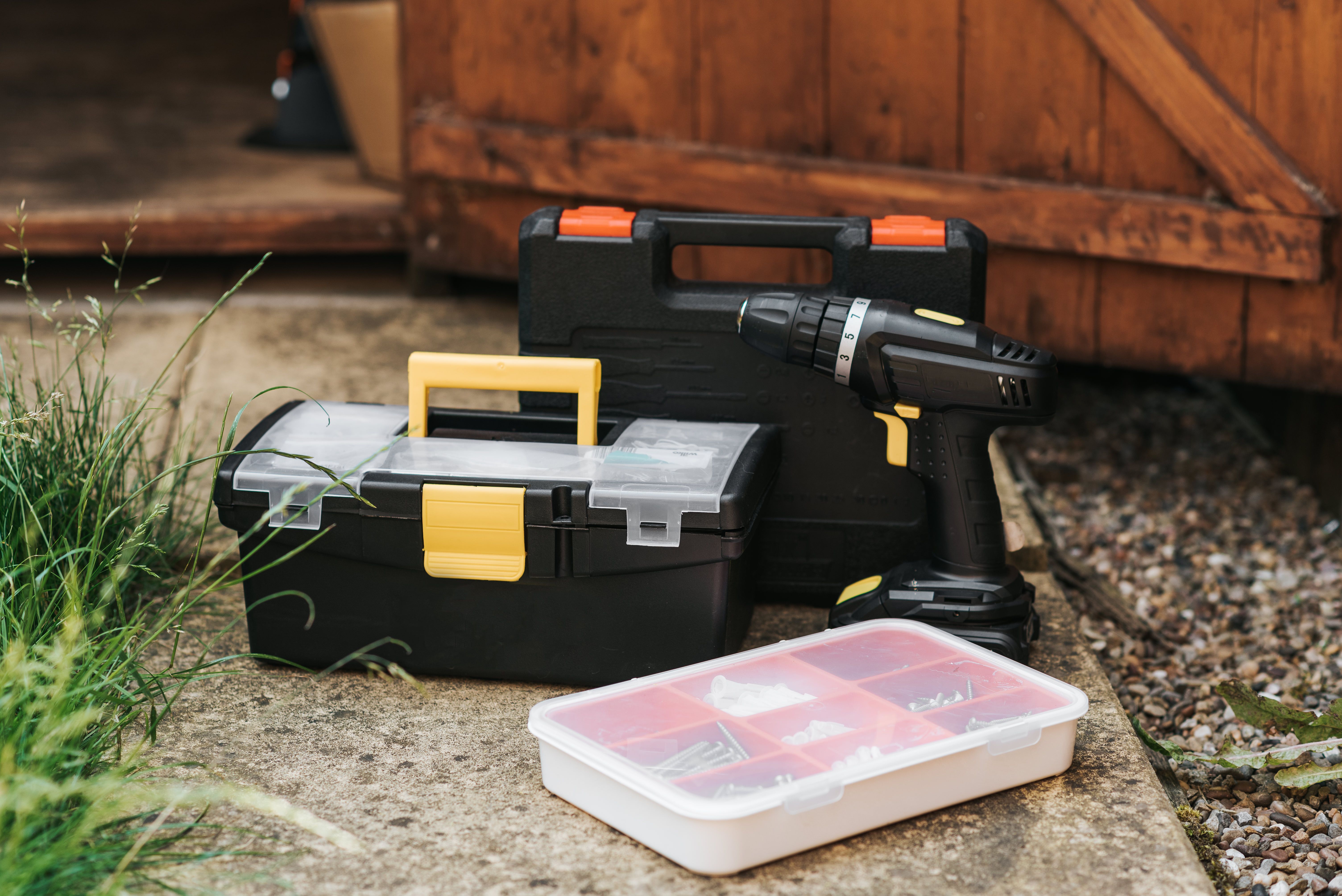
Every "essential tools" list you find online reads like a hardware store's full inventory — forty items, a $600 total, and half of it you'll use exactly once. If you just moved into your first place, or you're finally furnishing the one you've been in for a year, you don't need all of that on day one. You need about a dozen tools used well, a plan for the stuff you'll only touch once or twice a year, and a couple of safety basics nobody mentions until something goes wrong.
The Dozen Tools Worth Owning on Day One
This is close to the overlap you'd get if you asked five different contractors what they can't work without — and it's close to what the crew at This Old House names as their own picks, trimmed down to what an apartment or a starter home actually needs regularly:
- A cordless drill/driver. The single most-used tool in almost every home — drilling holes, driving screws, hanging shelves and curtain rods. Buy this one decent; it's not the place to go cheap.
- A claw hammer. Wood-handled or fiberglass, doesn't matter much. You need one for picture hooks, small assembly, and the occasional loose nail.
- A tape measure. 25 feet covers furniture, doorways, and most rooms. Buy two if you're bad about losing things.
- A torpedo level. Small, cheap, and the difference between a shelf that looks right and one that bothers you every time you walk past it.
- An adjustable wrench. Covers most plumbing fixes — a leaky faucet handle, a loose showerhead — without needing a full wrench set.
- A multi-bit screwdriver or driver set. Flathead, Phillips, a couple of hex bits. IKEA furniture and electronics panels both live here.
- A utility knife. Boxes, packaging, drywall patches, trimming weatherstripping. Replace the blade before it goes dull, not after.
- Needle-nose pliers. Small hardware, wire, anything a hand can't quite grip.
- A stud finder. Cheap ones work fine for hanging anything heavier than a picture frame — TV mounts, shelving, curtain hardware.
- Work gloves. One pair, leather or reinforced synthetic. You'll reach for them more than you'd expect.
- A small step stool or two-step ladder. Most apartment and starter-home tasks don't need a full extension ladder — see below.
- A flashlight or headlamp. For the breaker box, under sinks, and the inevitable power outage.
That's it. Everything past this list is a "when you need it" purchase, not a "just in case" one.
What to Skip For Now — and Borrow Instead
The tools that pad out most lists to forty items are the ones you'll use once a year at most: a tile saw, a pressure washer, a full-size extension ladder, a drain snake, a stud-grade circular saw for a one-time shelf project. Buying these upfront is how a starter toolkit turns into $600 of stuff sitting in a closet.
The better move for anything you'll use rarely is to borrow it. Tool lending libraries — sometimes called a "library of things" — exist specifically for this, usually run by a public library or a local nonprofit, and most let you check out a pressure washer or a tile saw the same way you'd check out a book. Local Tools maintains a directory of tool lending libraries across the U.S. and Canada if you want to see what's near you before buying anything you'll use once.
Safety Basics Nobody Mentions Until Something Goes Wrong
A few things worth knowing before your first project, not after:
- GFCI outlets matter more than people think. If you're using a power tool anywhere near water — a bathroom, a kitchen, outdoors — plug into a GFCI outlet or use a GFCI extension cord. It cuts power fast enough to prevent a shock from becoming dangerous.
- Extension cords have real limits. A cord that's too long or too thin for the tool you're running can overheat. Check the tool's amperage against the cord's rating rather than assuming any cord will do.
- Basic PPE isn't optional for power tools. Safety glasses at minimum; add hearing protection and a dust mask for anything loud or dusty. OSHA's hand and power tool safety resources cover the standards these recommendations are built on, if you want the full picture.
- Know where your shutoffs are before you need them. The main water shutoff and the breaker box aren't tools, but not knowing where they are turns a small mistake — a nicked pipe, a tripped circuit — into a much worse afternoon. Find both in your first week, not during an emergency.
Where the Actual Savings Are
Buy quality where it compounds — the drill/driver especially, since it's doing the most work over the longest time — and don't feel bad about the cheapest version of anything you'll use twice a year. The Tools & Auto category is worth checking before any of these purchases; brands you'd already recognize show up there at real markdowns, not manufactured "sale" pricing.
Once the toolkit itself is sorted, where you keep it matters more than people expect. A drawer of loose tools is how a stud finder goes missing right when you need it. A basic tool bag or a small wall-mounted organizer solves this without much cost, and it's the kind of thing that shows up in the Home category alongside the rest of what a first home actually needs — storage, organization, the unglamorous stuff that makes everything else easier to find.
The One Rule That Saves the Most Money
Buy for the project in front of you, not the project you might have someday. A starter kit of a dozen tools handles the vast majority of what actually comes up in a first year of apartment or homeownership life — and everything beyond that is cheaper to borrow once than to own and never touch again.
Check today's live deals before any of these purchases — verified against real price history, not a retailer's claimed markdown.